The goal of robotics is to
Creating machines that can help. Many robots are designed to do jobs that are dangerous to humans, such as finding survivors in unstable ruins and exploring space, mines, and shipwrecks.Others replace people for boring, repetitive, or unpleasant jobs such as cleaning, supervision, transportation, and assembly.Today, as technological advancements continue, robotics is a rapidly growing field; researching, designing, and building new robots serve a variety of practical purposes.
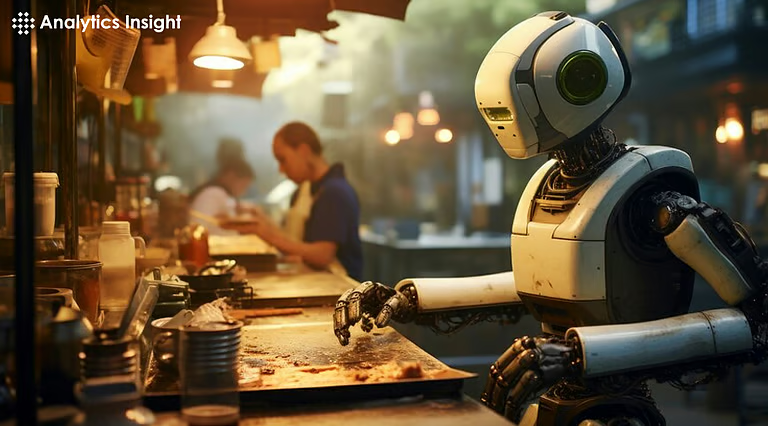
Key Components of Robotic Technology
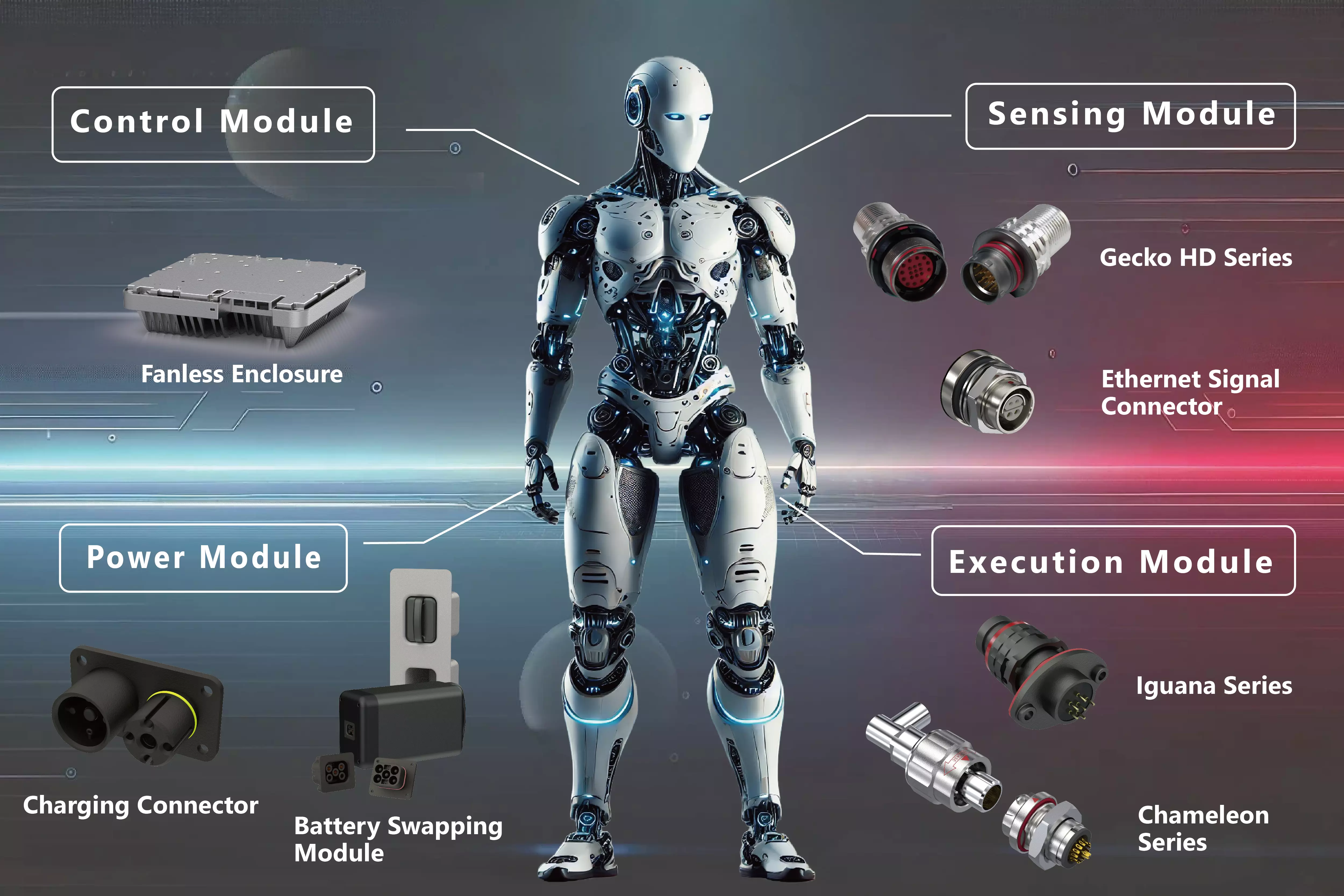
The key components of robotic technology include a controller (brain), sensors (perception), actuators (movement), power supply (energy), and software (programming). Other essential parts are the structure (chassis), end effectors (tools), and sometimes a communication system for interaction and task execution.
Work Using Robots
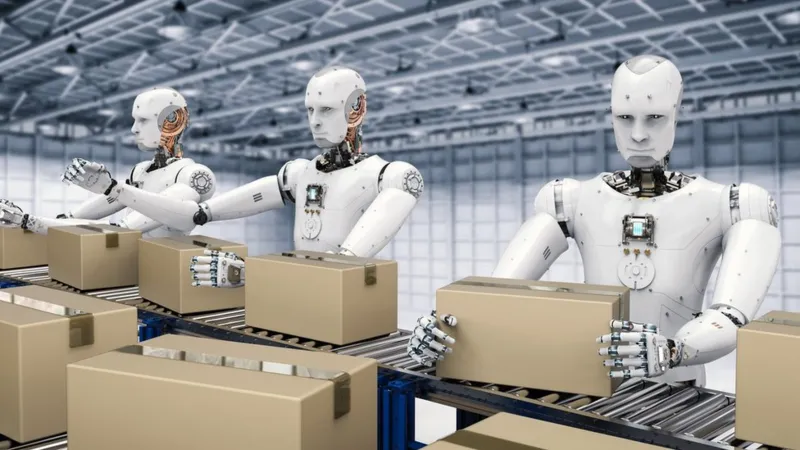
Working with robots can mean a career in robotics, or performing tasks alongside them in industries like manufacturing, healthcare, and exploration. Robots can handle dangerous, repetitive, or physically demanding jobs, allowing humans to focus on complex, creative, or supervisory roles. To work in the robotics field, consider careers such as robotics engineer, software engineer, or electromechanical technician.
- Manufacturing and Healthcare
- Efficiency in Industries
- Precision
- Space Exploration
- To improve safety and productivity and enable humans
to perform highly complex, tedious, and dangerous tasks - Home Automation

History of Robots
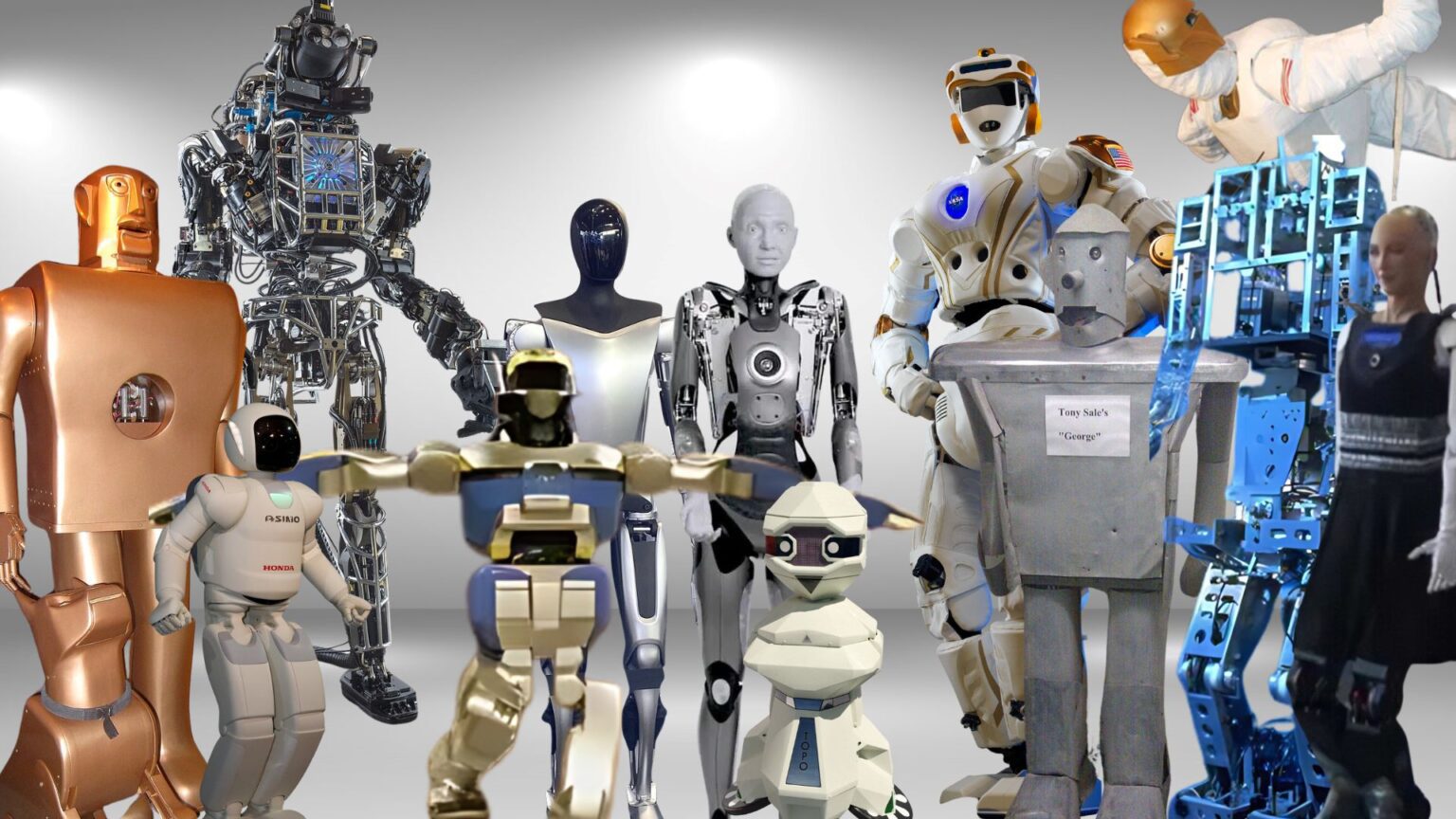
The history of robotic technology spans from ancient automatons to modern AI-powered machines, with key milestones including the 1921 introduction of the word "robot" in a play, the invention of the first industrial robot (Unimate) in 1954, and the development of mobile and AI-equipped robots in the late 20th century. The field has evolved significantly from mechanical devices to sophisticated systems used in manufacturing, space exploration, medicine, and consumer electronics.
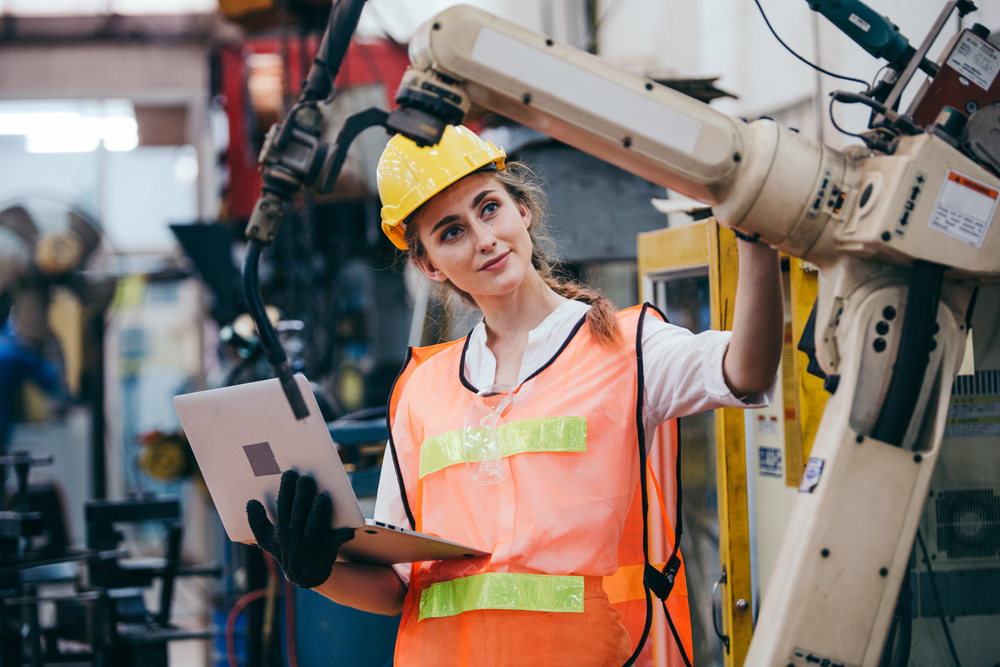
The goal of robotics is to
Creating machines that can help. Many robots are designed to do jobs that are dangerous to humans, such as finding survivors in unstable ruins and exploring space, mines, and shipwrecks.
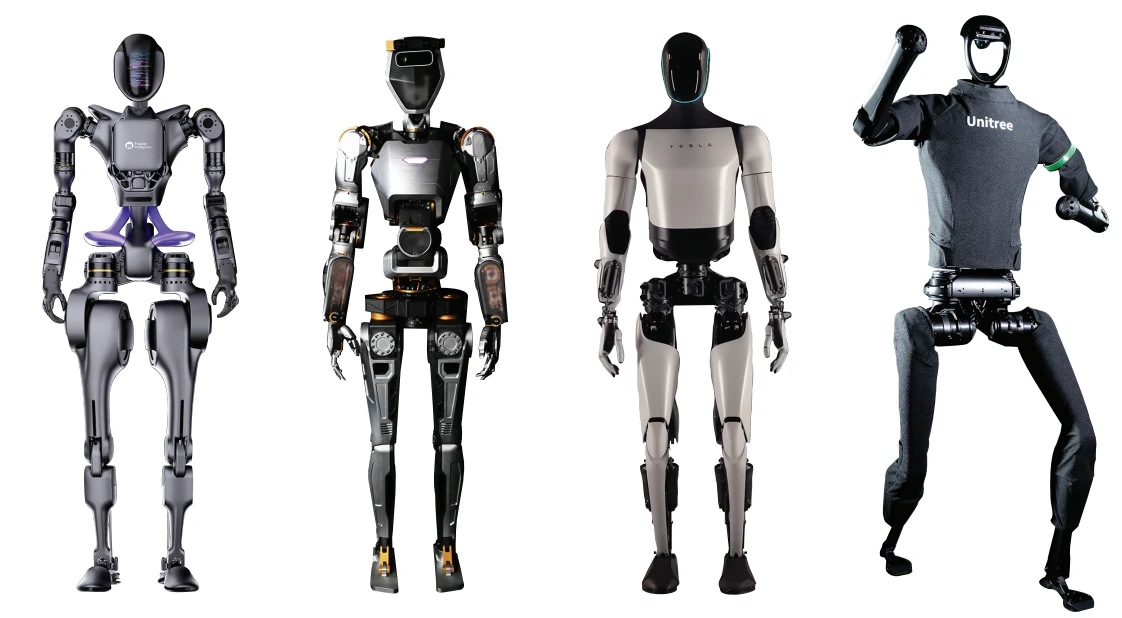
Key Components of Robotic Technology
The key components of robotic technology include a controller (brain), sensors (perception), actuators (movement), power supply (energy), and software (programming).
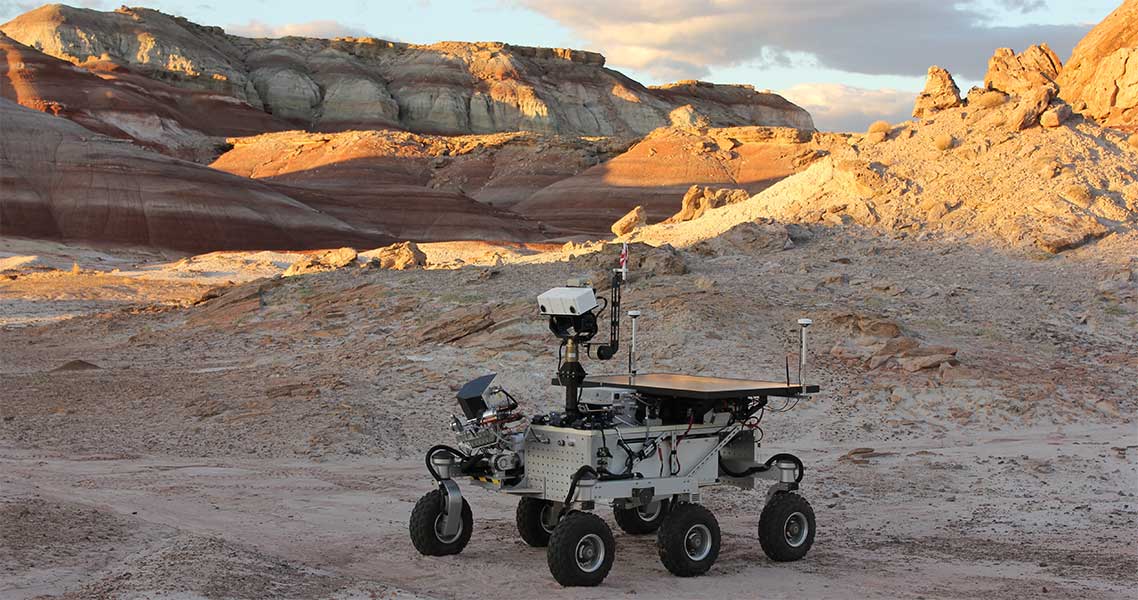
Work using Robots
Robots work by performing tasks in various fields, including repetitive jobs in manufacturing and precise operations in medicine.
Robotics Technology History
The history of robotic technology spans from ancient automatons to modern AI-powered machines, with key milestones including the 1921 introduction of the word "robot" in a play, the invention of the first industrial robot (Unimate) in 1954.

Father of robotics
Joseph Engelberger is widely considered the "father of robotics" for co-founding the first robotics company and commercializing the first industrial robot, the Unimate.